Trout Power
advocacy. stewardship. citizen science.
Native Brook Trout in the Adirondacks
What are brook trout?
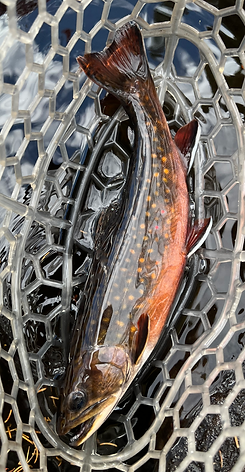
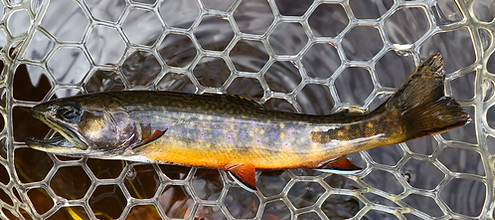
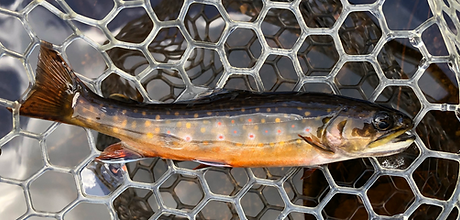
Brook trout are one of the few fish that is native to the state. Even though it is called a trout, brook trout are actually a char, similar to lake trout and arctic char. They go by a number of regionally based nicknames such as brookies, specks, squaretails, reds, and many more.
Where do brook trout live?
Brook trout are a cold water species, and thrive in waters below 65 ° F. They can reside is lakes, ponds, rivers, streams, and brooks. The key to their habitat is food, protection, and cold water. Their ideal temperature range is 45 - 65 °F. Brook trout require water with high amounts of oxygen, and colder water holds more oxygen. When water gets above 68°F, brookies can undergo thermal stress from a lack of oxygen. Prolonged time in waters above this threshold can be fatal. It is important to be mindful of this when fishing during summer months- if the water you are fishing is above 68°F, it's best to go find somewhere else or go target another species!
What do brook trout eat?
Brook trout primarily feed on insects. These insects could be aquatic macro invertebrates such as mayflies, caddisflies, and stoneflies or terrestrial insects like grasshoppers and ants. Brookies will also feed on smaller fish such as dace or sculpins, in addition to many other species.
Why study brook trout in the Adirondacks?
Brook trout are often referred to as a "canary in a coal mine". This saying serves as a warning that brook trout are a species that exists in a world full of threats and dangers- both natural and human caused. The brook trout have been in the Adirondacks since the last glacial period. As the last glaciers receded thousands of years ago, a pristine environment was left behind for these native fish. Today New York consists of 7,600 lakes and ponds, and over 70,000 miles of streams and rivers. Their presence today serves as a piece of natural history, a species worth protecting, enjoying, and cherishing.
What are the threats to brook trout?
Over time, the native waters of the brook trout have been affected by a variety of factors which has led to the significant reduction in the active range of native brook trout.
These factors include stocking and introduction of non-native fish species, such as brown trout and smallmouth bass. These species can outcompete and prey upon native brook trout. Acid rain in the Adirondacks raised pH levels to inhabitable levels in the last century. Thanks to legislation such as the clean air act, levels of pH have been dropping over time. Invasive species and baitfish being used and dumped in waters have greatly impacted brook trout populations. Today, we have a small fragment of the original habitat of brook trout within the Adirondack park.